Why escape rooms fail: three reasons
Escape rooms don’t close because “the market is bad.” The market is fine: the number of venues in the US has held steady for three years running, and game-based formats are growing worldwide. Individual venues close for specific reasons, and almost always the same three. We build escape rooms and have watched this business from both sides for years: as a supplier, and as former owners of our own venues. Here are those three reasons, and a checklist for avoiding all of them.
Reason 1. Strong product, weak sales

Running a business and building escape rooms are two different professions. A room designer is an engineer and a creative; sales, marketing and managing bookings are an entirely different skill set. No matter how strong the product, bookings won’t appear on their own without the ability to bring guests in.
This is the most common story: an owner spends months perfecting puzzles and set design, then answers the question “where will the first hundred teams come from?” with “word of mouth.” Word of mouth works - but only as an amplifier of sales that are already happening, not as a substitute for them.
A working venue needs both halves to be strong: the product and the sales. Either half alone won’t carry the business.
There’s a separate trap inside this reason - booking aggregators and discount platforms. We went through it ourselves when we owned escape rooms:
Instead of building your own brand, you build the aggregator’s brand. Getting off that hook is hard: the time is spent, and your own sales are never set up. Then the aggregator raises its commission - and you either have no bookings at all, or you have bookings but no profit. We dropped the aggregators and built our own sales channels.
The pattern for newcomers is always the same: at first everything looks fine - the owner works on the product they love, and bookings trickle in from the aggregator. The reckoning comes when it’s time to actually earn: sales were never built, and the channel that stood in for them keeps taking a bigger cut.
Reason 2. Not working with the guest base
The first, “cold” guest always costs a lot: advertising, a first-visit discount, a channel commission. The money is made elsewhere - on repeat visits: the guest is already in your base, and selling to them again costs almost nothing. If a venue doesn’t collect contacts, doesn’t bring guests back for new games and events, it pays the full advertising price for every booking, every time.
What brings guests back without discounts - events, new stories, working with companies and birthdays - we covered in a separate article. What matters here is the principle itself: the guest base is an asset, and it either works for you or quietly loses value.
Reason 3. Outdated rooms

The third reason ties the first two into a vicious circle. An outdated room makes it impossible to work with your base: guests who have played everything have nowhere to come back to. And it also spoils the acquisition of new guests: a newcomer compares you not to your past, but to the best venue in town - and what wowed people five years ago looks dull today.
It’s not only about technology. Guest behavior changes: what they enjoy doing together, what they film, what they share. You can build a room with no complex electronics but on-trend, and it will fill bookings. Or you can cram yesterday’s idea full of effects and get none. How to tell whether a room has aged, and whether it’s cheaper to refresh it or replace it, is worth deciding before the decline shows up in your bookings.
What growing venues do: two live examples

Conundroom in Washington state does all three right: strong social-media marketing, working the base for repeat visits, and regularly refreshing its attractions. The result - a new attraction pays back in two months. And The Cube in North Macedonia has run steadily for over four years in a shopping mall - on mall footfall and returning guests.
A checklist before you start
- Write it down: who will bring the first hundred teams, and at what cost. “Word of mouth” doesn’t count as an answer.
- Run the numbers before you sign a lease: budget, payback, a plan for filling weekdays.
- Build your guest base from the very first guest, and plan what will bring them back in six months.
- Aggregators only as an addition to your own sales - and keep an eye on the share of bookings that come from them.
- Budget for a room update from the start - it’s a planned part of the business, like a hotel’s renovations.
FAQ
Is the escape room business profitable at all? Yes, when the three conditions above are met. The market is stable and game-based formats are growing; closures are stories of specific mistakes, not a verdict on the industry. The numbers are in the article on returns.
The earliest warning sign? The share of repeat guests. If fewer come back and less often, you’re already paying the advertising price for every booking - it just isn’t visible in revenue yet.
Will a “good supplier” solve these reasons? Not the first two: sales and the guest base are your job. The third - yes: the right supplier makes a room update fast and predictable, and breakdowns rare and fixable.
Start with a strong product
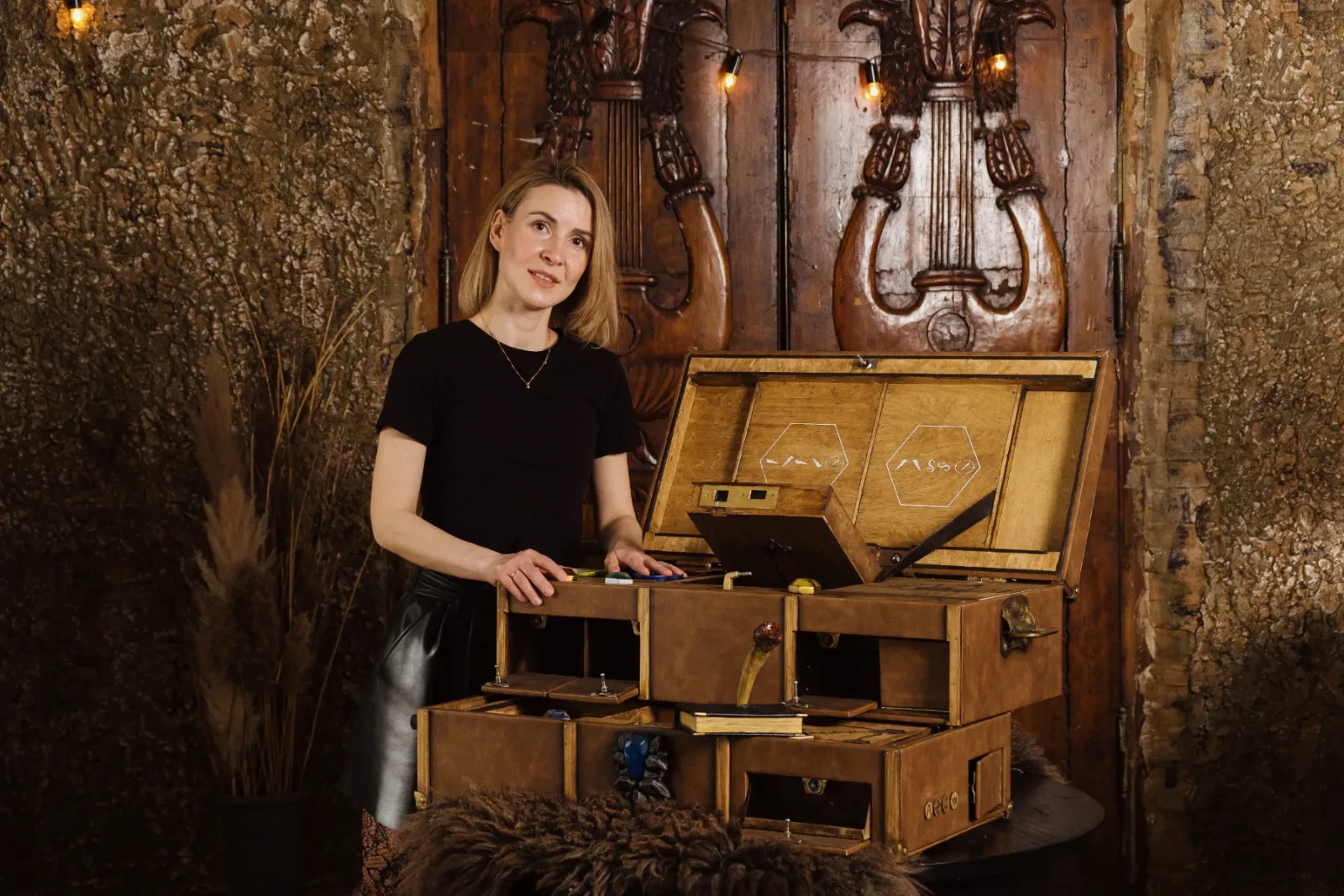
Half of the equation - the product - you don’t have to invent: the castle and the chests arrive ready and updatable. The other half - sales - stays with you. Run your own scenario in the calculator or write to us.
See the numbers for your own venue
Run your city, ticket price and hours through the calculator to get a payback estimate.
Open the calculator