Escape Room in a Mall: How to Get In and What It Costs
Not long ago a shopping mall was expensive and unreachable territory for an entertainment business: long leases, high rates, a queue of brands. Today it is the other way around - malls are actively hunting for entertainment tenants and negotiating more willingly than ever. Here is why this window opened, what the entry formats are, and what the venues already running escape rooms inside malls can teach us. The article is useful both to an escape room owner thinking about a mall spot and to the owner of a social gaming room or entertainment zone - including one that already sits inside a mall.
Why malls opened up to entertainment
Shopping centers have passed their low point and are rebuilding. US mall occupancy grew from 85% in 2022 to 90.7%, foot traffic is rising again, and the average indoor-mall visit lasts 72.9 minutes - longer than at open-air centers. Most importantly, the reason for the visit has changed: 75% of visitors now come to a mall primarily to spend time with people close to them, not to shop.
The industry’s answer is the experiential anchor: entertainment tenants are becoming the new anchors in place of closed department stores, and escape rooms are named outright among the formats malls use to fill vacated space. The market is also splitting: of roughly 1,200 US malls, about 900 are projected to remain by 2028 - the survivors are the ones adding experiences. For a venue owner this means one simple thing: the landlord is finally motivated to make a deal.
Our attractions already live in malls

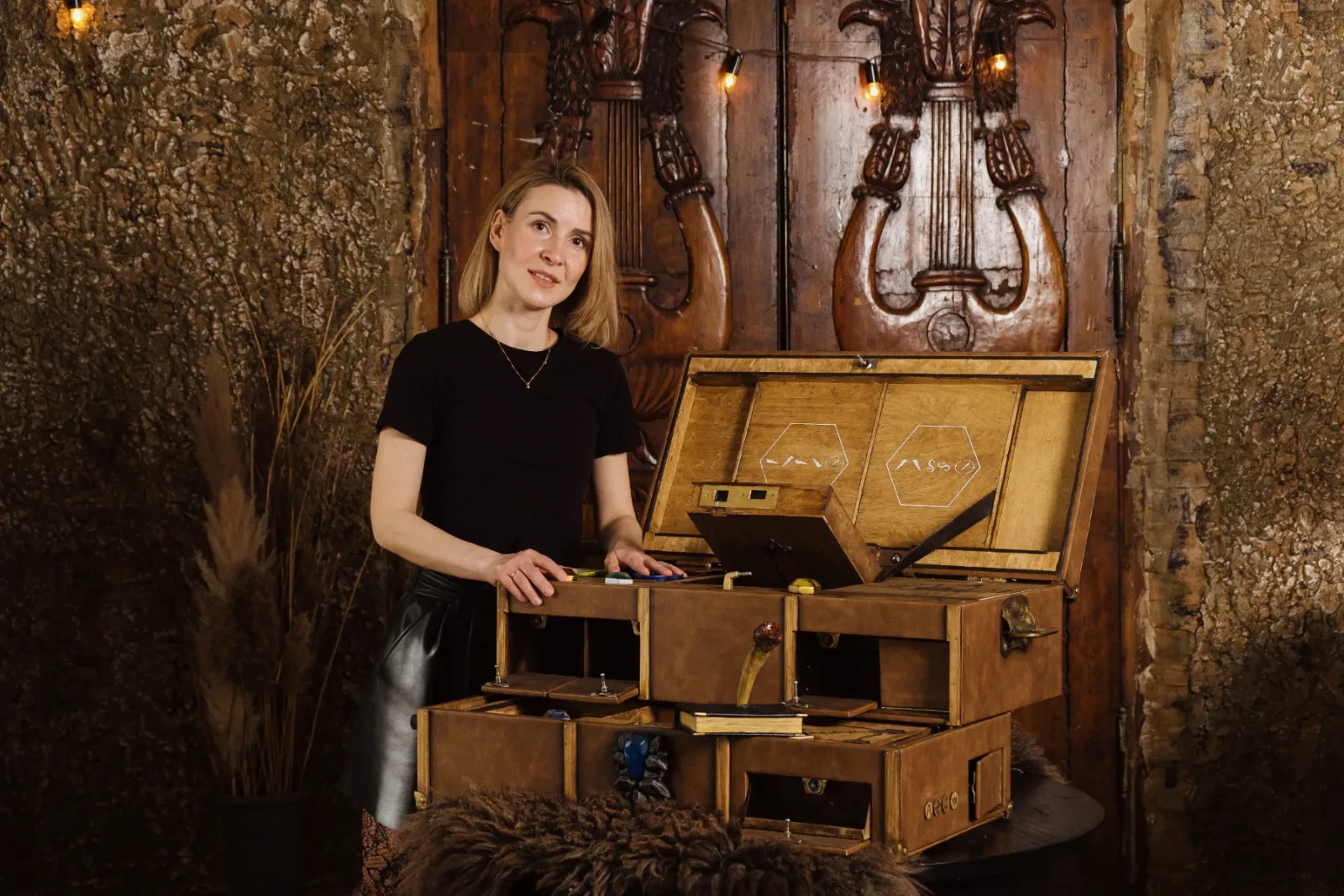
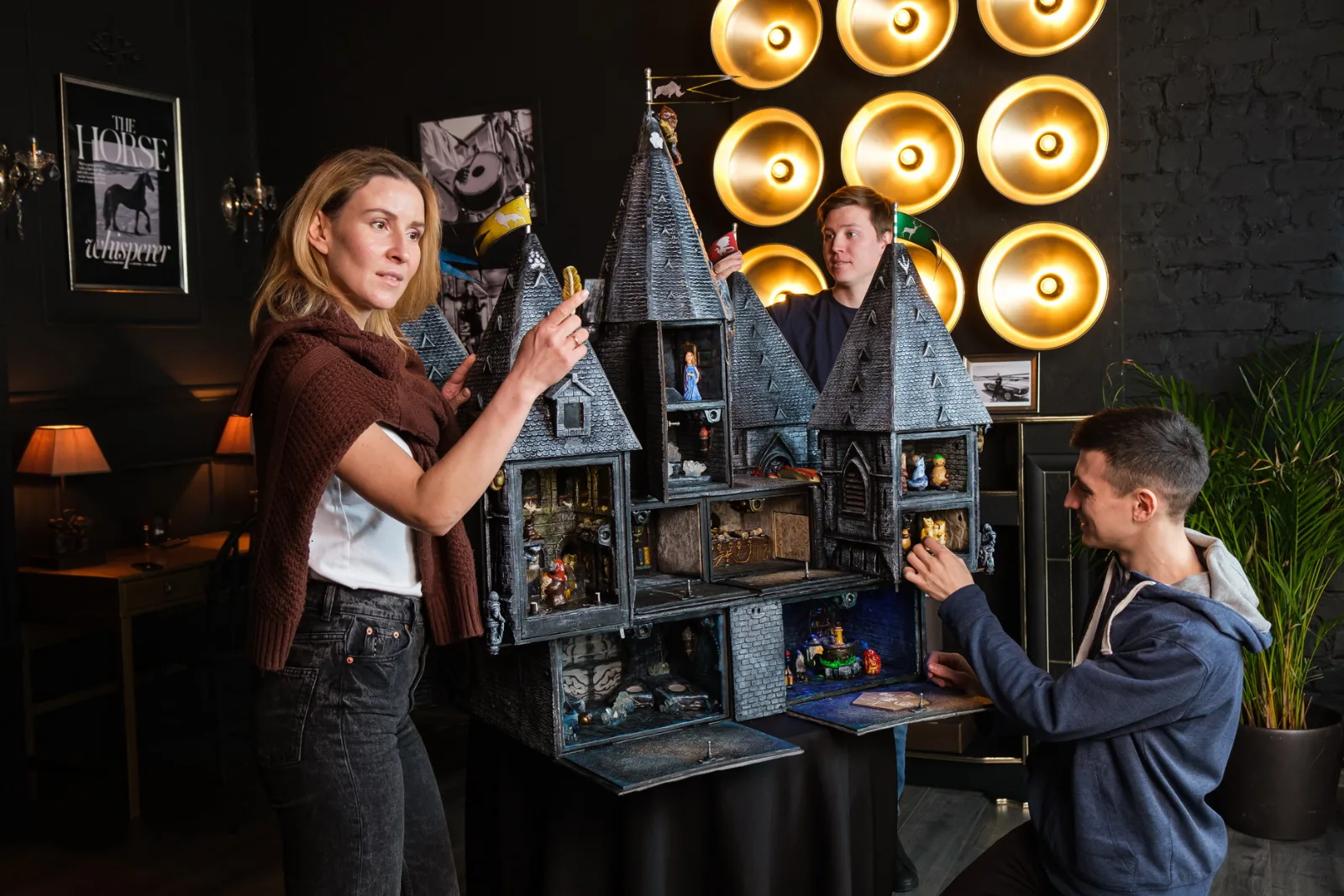
This is not theory. The Cube in Skopje (North Macedonia) has been running our Wizard’s Chest inside a shopping mall for more than four years - the company operates two escape room locations in the city, and the portable format complements its stationary rooms. And in Muscat (Oman), the interactive game center WizardLands placed both the castle and a chest in the 414 Mall commercial building - in a unit of its own.
Both venues chose the same model: leasing a dedicated unit inside the mall. It is the time-tested option - your own walls, your own atmosphere, full privacy for the game, with the mall’s foot traffic working as a free storefront outside the door.
Who this is for
An escape room owner gets a second location without construction: the portable format moves into a unit or an island, and the gallery’s foot traffic replaces part of the marketing budget.

A social gaming room or entertainment zone owner has the shortest path in this whole article - often no new lease at all. Diversified play zones and family entertainment centers already sit inside malls; a story attraction takes 5-8 sq m of the floor you already lease, adding a format the neighbours do not have: a private one-hour story for one group. We broke down how to pick an addition for a zone in our piece on the best attraction for a family entertainment center.
Someone still choosing a business can use a mall pop-up as the cheapest way to test the format on live foot traffic before building a full social gaming room.
Three ways into a mall
1. A dedicated unit (proven by our clients). The classic: a small unit in the gallery, your own design, your own walls. Both the chests and the castle need an enclosed space - a unit gives you that by definition. This is exactly how Skopje and Muscat operate.
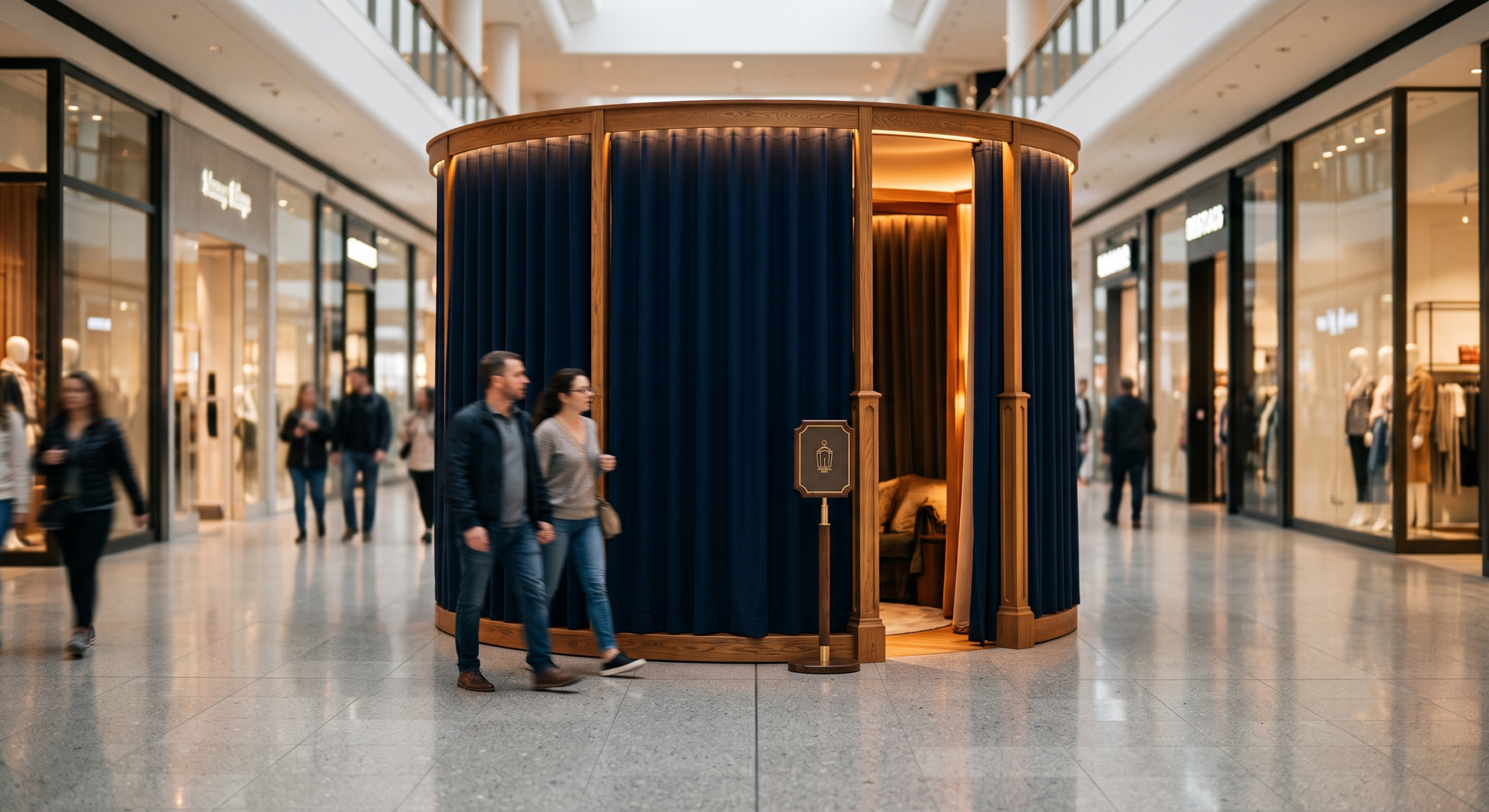
2. An island in the gallery behind screens. The format for high-traffic zones: the attraction is wrapped in dense, opaque screens - walls that do not reach the ceiling and carry no roof. From outside it draws the crowd; inside, players stay in their own world. A practical detail that matters: a roofless structure keeps the zone under the mall’s own fire system - the landlord’s sprinklers and detectors still cover the area, so you do not install your own for the “room”. Typical US mall kiosk criteria confirm the approach: common-area structures of up to roughly 300 sq ft, with clearances from neighbouring builds, under the building’s sprinklers. An honest caveat: our clients so far run dedicated units - we describe the island as an option provided for both by mall rules and by the attraction’s design.
3. A short-term pop-up. Most malls run a specialty leasing desk: short agreements from 1 to 12 months for kiosks and temporary units (400-1,200 sq ft). It is the low-risk way to test a specific mall: the portable attraction moves in for a season, and if the traffic converts, you negotiate a permanent unit with real numbers in hand.
Roofless screens are not only about privacy: the zone stays under the mall’s own fire system, so you do not install your own sprinklers.
What it costs and how the deal works
US market benchmarks: mall rent runs roughly $18-30 per square foot per year, and for small tenants the common model is percentage rent - a modest fixed base plus a share of sales above a threshold. For the smallest formats there are deals with no base at all, percentage only. The landlord shares the risk; the venue gets in without a heavy fixed cost.
And here is the small format’s trump card. A classic escape room needs 1,000-1,500 sq ft (roughly 93-140 sq m) - serious money inside a mall. A story attraction in chest format takes 5-8 sq m; the castle takes 12-20. The same rate per square foot - but ten times fewer square feet: the economics of entering a mall change at the root.
A classic escape room needs 93-140 sq m. Our format needs 5-8. At mall rates, that is the difference between expensive and doable.
How the mall feeds the game: walk-ins
The average mall visit is 72.9 minutes, and the guest is looking for something to fill them: 75% came to spend time, not to buy a specific thing. A one-hour story game is exactly that format. Selling to the passing crowd is simple mechanics: a host at the entrance, a sign with the next available session time and a QR code for booking; a passing group decides in minutes. On weekdays the same spot is fed by corporate events - the offices around the mall are your daytime audience.
The castle works in a mall too
The flagship format fits as well: the Chronicles of the Living Castle needs 12-20 sq m and an enclosed space - a dedicated unit in the gallery solves both, which is exactly what Muscat shows, where a castle and a chest run side by side in one commercial building. For a full breakdown of areas and layouts, see how much space an escape room needs.
How to start the conversation with a mall
- Go to the specialty leasing desk. These are the people who lease kiosks, islands and temporary units - short agreements, fast decisions.
- Pitch the mall its own benefit. An entertainment tenant stretches the visit and brings guests back - that is the language landlords decide in. Your attraction is a compact experiential anchor with no construction.
- Start with a pop-up. A 3-6 month seasonal agreement with a portable format = a traffic test without anchor-tenant risk.
- Run the numbers before signing. Model the spot’s economics at the specific mall’s rate in the calculator - and compare percentage rent against a fixed base using real session numbers.
- Ask for the island rules upfront. Design criteria, clearances, structure heights - every mall has its own manual; dense roofless screens usually fit it most easily.
New to the format altogether? Start with the step-by-step basics in how to open a social gaming room.
Questions and answers
Is a mall too noisy for a story game? Dense opaque screens cut off both the eyes and a good share of the noise, and the attraction’s sound works inside the enclosure. In a dedicated unit the question disappears entirely.
Will the mall demand its own fire system for the “room”? In a dedicated unit, the usual tenant requirements apply. An island of roofless screens stays under the mall’s own sprinklers and detectors - that is the point of the design.
What lease term should I ask for? For a test - a short specialty lease for a season (1 to 12 months is standard mall practice). For a permanent spot - a regular unit lease; a portable format lets you relocate if the gallery underdelivers.
Put the story where people already walk
See the formats: the chests for islands, pop-ups and small units, the castle for a full spot in the gallery. Or tell us about your mall - we will suggest a set-up that fits your floor and your rate.
See the full lineup
Which escape room fits your venue?
Explore the products