Escape Room Franchise or Your Own Escape Room: Which Pays Off
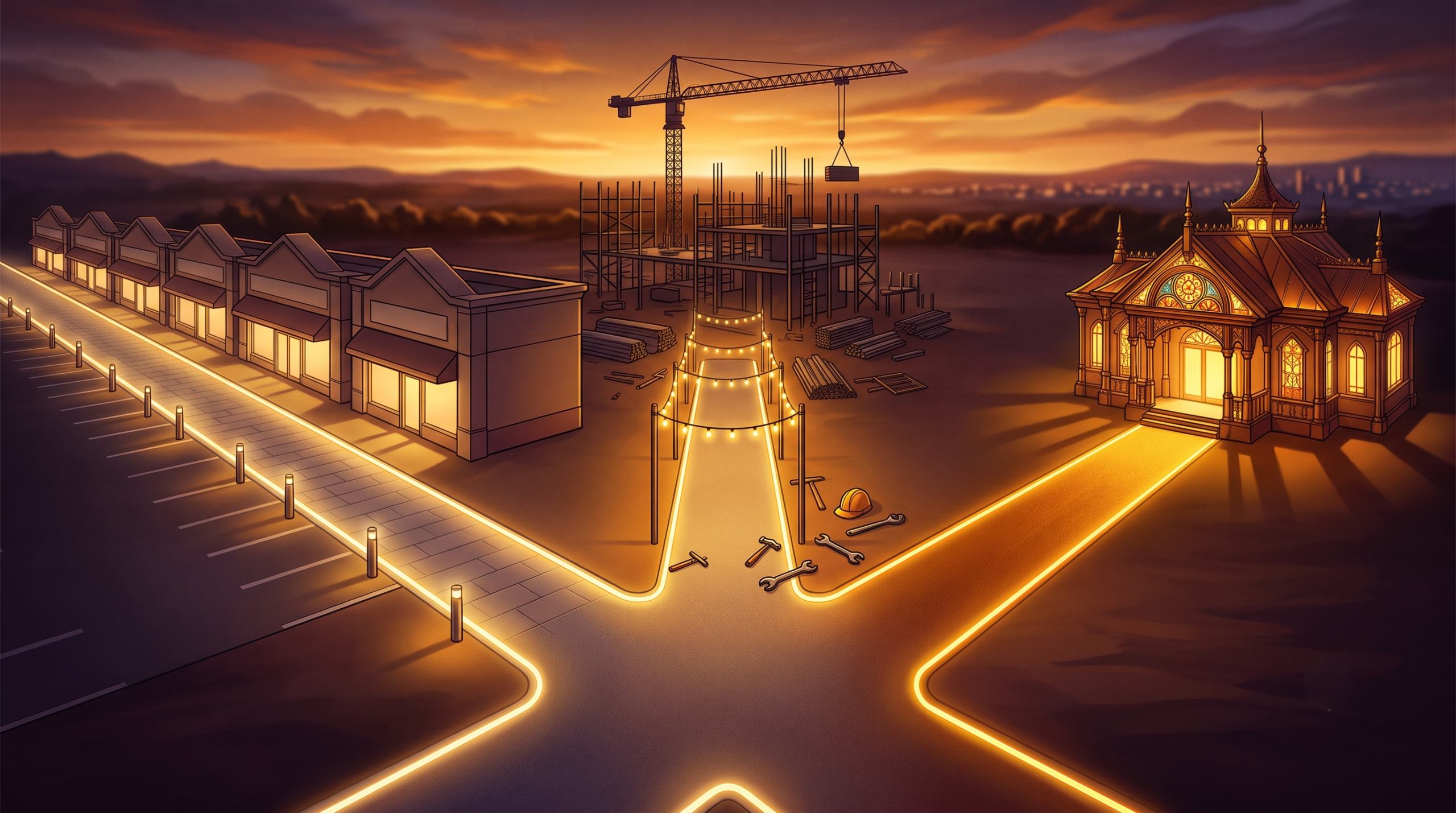
There are three roads into the escape room business: buy a franchise, build a room yourself, or buy a ready-made game kit under your own brand. Each road has its own costs, timelines and degree of freedom - and choosing wrong is expensive. Let’s be upfront: we manufacture ready-made kits and don’t sell franchises, so our stance in this comparison is no secret. But the comparison will be honest - including what a franchise gives you and we don’t.
How an escape room franchise works
A franchise is renting someone else’s business model. You pay an upfront fee (tens of thousands of dollars at the well-known chains), then royalties - usually 6-10% of revenue every month, often plus a marketing levy. In return you get the chain’s name, ready-made storylines, operating standards, staff training and a procedure for every process.
It’s a proven model - the market’s biggest players grew exactly this way: Escapology has around 90 locations, The Escape Game around 50. If you have no background in entertainment and you want ready-made processes and oversight from the chain, a franchise honestly solves that problem.

The price of that certainty is freedom. A franchise comes with rigid rules: you can’t change the storyline or the theming for your own audience, you can’t set your own prices and formats, and there’s mandatory reporting to the franchisor. And the royalties are always due - in a good month and a bad one alike.
Royalties of 6-10% are calculated on revenue, not profit. Given the margins in this business, that can mean a quarter of your profit - every month, for every year of the contract.
Your own escape room from scratch
The complete opposite: absolute freedom and absolute responsibility. You invent the story yourself, build the sets yourself, solder the electronics yourself or hunt down contractors. You pay royalties to no one, and everything you earn is yours.

We covered the pitfalls of this road in detail in the article “Turnkey escape room or build it yourself”: the build takes months, during which the space is already leased but not yet earning; home-made electronics fail more often than factory-built kit, and only the person who assembled it knows how to fix it. This road makes sense when an escape room is not just a business to you but a craft - and your team includes an engineer, an artist and a writer.
A ready-made kit: the third road
A ready-made game kit is the middle ground the franchise catalogues won’t tell you about. You buy the whole attraction once: the story, the voice-over, the sets, the electronics and the control panel. After that - no payments tied to revenue. You operate under your own brand, set your own prices, and decide for yourself how to sell it.

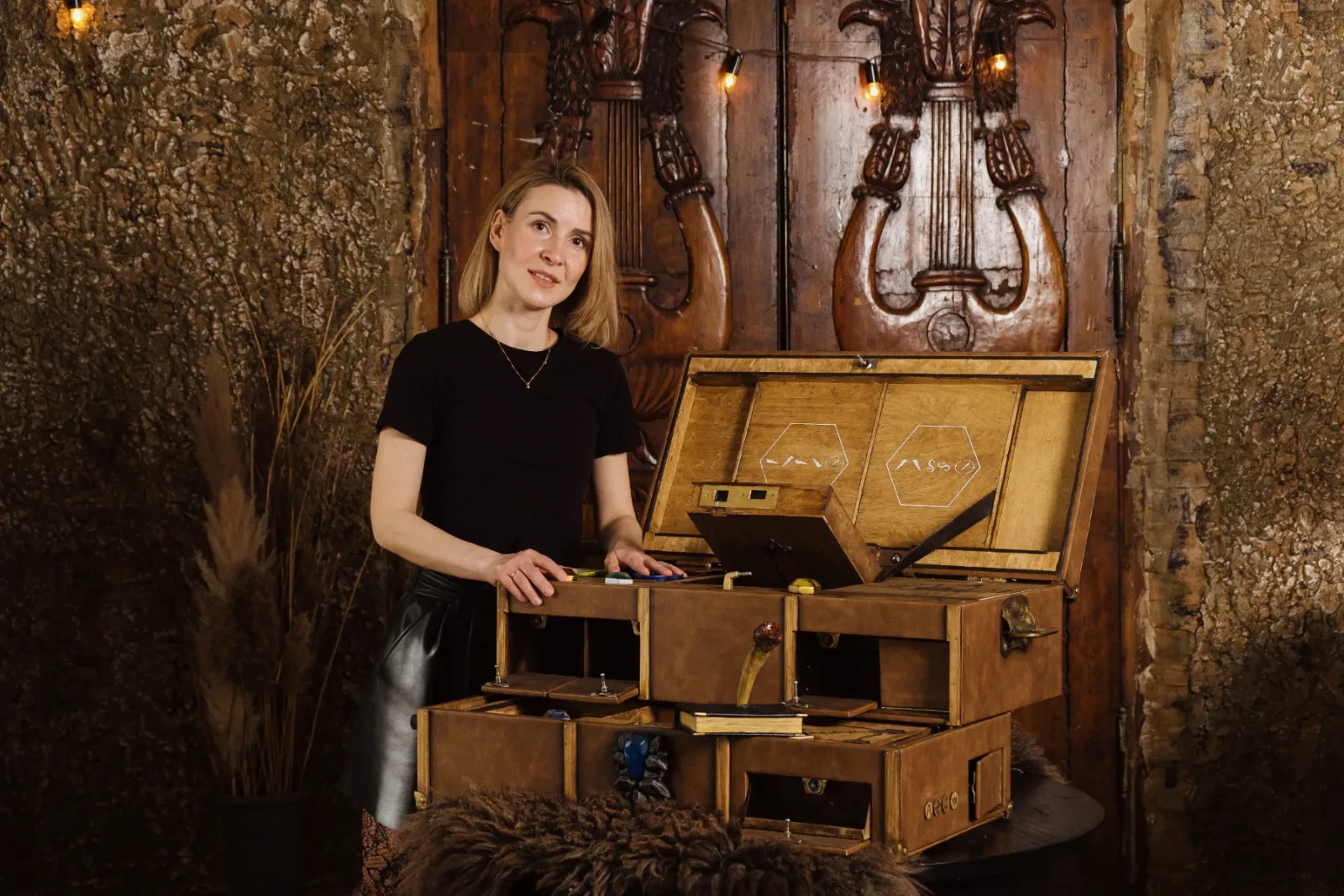
The key difference from a franchise is that a kit can be tailored to you. Our client Alexey, who owns Conundroom in Washington State, rewrote the chest’s backstory for his own venue, recorded his own voice hints and added puzzles of his own - and paid the kit back in two months. In a franchise, changes like that are forbidden by contract. With a kit, it’s simply how you’re meant to use it.
A franchise leases the business to you. A kit you buy outright: your brand, your prices, your rules - and not a cent of your revenue.
In fairness - here’s what a kit doesn’t include. We don’t give you a recognisable chain name: you build your own brand. We don’t send a trainer or write procedures for your staff: you set up the venue’s operations yourself. We don’t bring you customers: marketing is your job. Our area of responsibility is the attraction itself - that it arrives ready, starts up within hours and is supported remotely for every year it runs.
An honest comparison
| Franchise | Build it yourself | Ready-made kit | |
|---|---|---|---|
| Payments | Upfront fee + royalties on revenue forever | Materials and time, often over budget | One price, no payments after |
| Brand | Someone else’s, recognisable | Your own, from scratch | Your own, from scratch |
| Tailoring the product to you | Forbidden | No limits | Allowed: story, voice-over, your own puzzles |
| Training and standards | Yes, the main value | None | Briefing on the attraction, not the business |
| Time to opening | Months (build to the chain’s standards) | Months, rarely predictable | 1-3 months to produce, 30 minutes to 4 hours to install |
| Customer flow | Sometimes from the chain | Your marketing | Your marketing |
| Reporting | Mandatory | None | None |
How to choose your road
- No experience, you want ready-made processes and a mentor - a franchise. Add up five years of royalties in advance and read the contract for what happens if you terminate.
- The escape room is your craft and your team has an engineer and an artist - build your own. Budget for a realistic estimate and time for rework.
- You have a venue or entrepreneurial experience and want a working attraction under your own name - a ready-made kit. Vet the supplier against a checklist - kits vary widely in quality and support.
Frequently asked questions
Can the roads be combined? Yes, and people do: existing venues - including franchisees of other formats - buy ready-made kits as extra attractions for their own events and everyday programming.
Why not just copy someone else’s storyline? Because it’s someone else’s intellectual property and a legal risk. A ready-made kit solves the same problem legally: the story and the right to use it are included in the price.
And what if I stop paying royalties? Under a franchise contract you lose the right to the brand, the storylines and usually the business in that location. A kit stays your property with no strings attached - like a machine you’ve bought.
See what a kit actually is
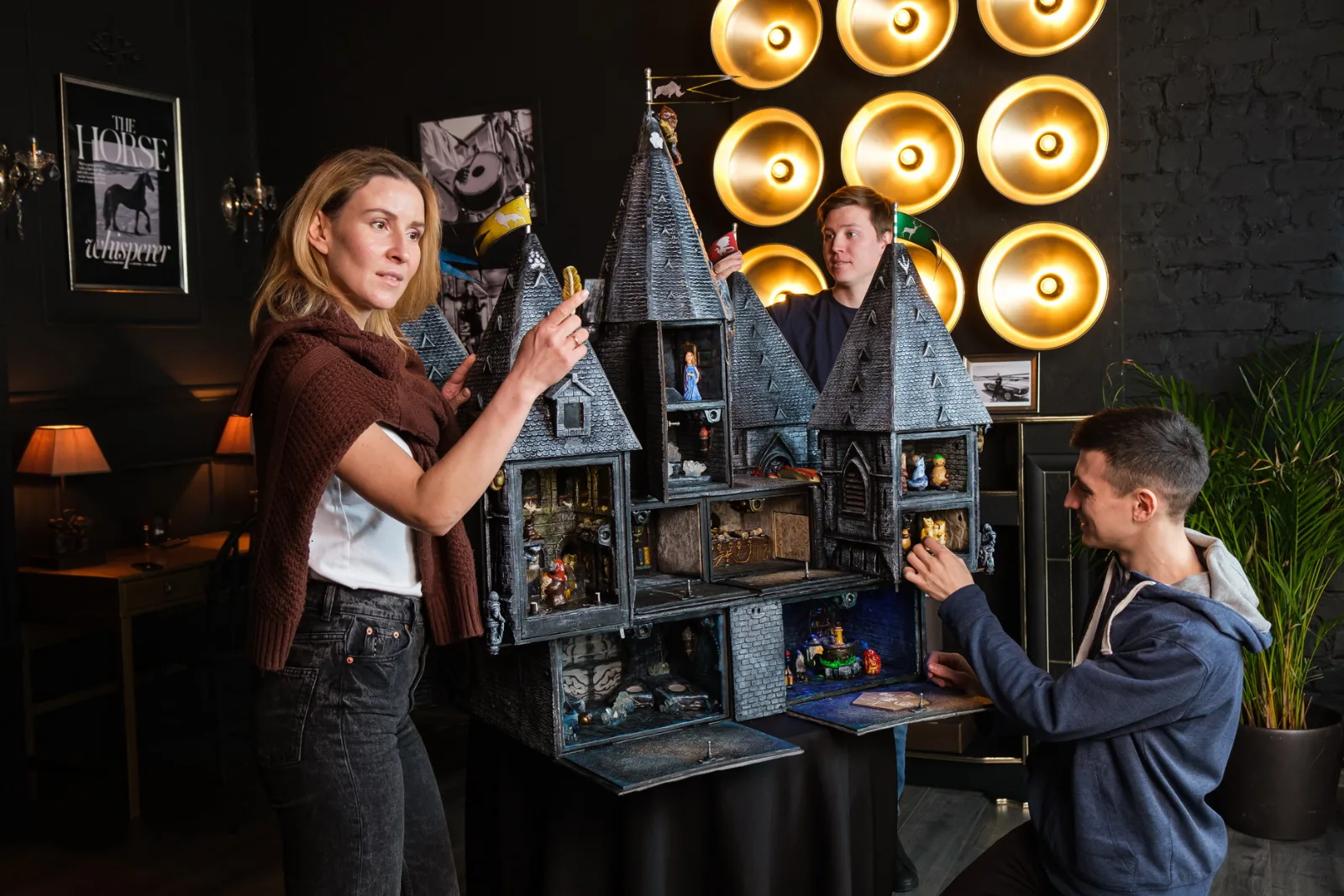
The Castle is the flagship, the venue’s biggest game; the chests are compact games: they sit in the room or travel out to corporate events, parties and festivals. Run the numbers for your own prices in the calculator or get in touch - we’ll tell you how it really is.
See the full lineup
Which escape room fits your venue?
Explore the products